Lower School at Sabot
Kindergarten - Grade 4
What makes our Lower School program different?
In Lower School, the joy of learning is at the heart of what we do. Children arrive eager each day because they know their ideas are valued, their voices heard, and their questions worth exploring. Through hands-on investigations, collaborative projects, and time spent outdoors, students engage in meaningful work that builds confidence, resilience, and a love of learning.
Our teachers strike a balance between emergent and standards-based curricula, using provocations to deepen inquiry and introduce essential topics. Whether solving real-world problems together or exploring the natural world outdoors, our students learn to think critically, persevere through challenges, and embrace learning as a lifelong adventure. The forest plays an important role in this balance. It’s a space where play, exploration, and imagination foster creativity and problem-solving, while also allowing students to engage in scientific inquiry, build mathematical reasoning, and investigate social studies topics.
Our goal is to meet students where they are and challenge them to stretch their thinking, ensuring they reach academic milestones in a way that aligns with their individual learning paths.
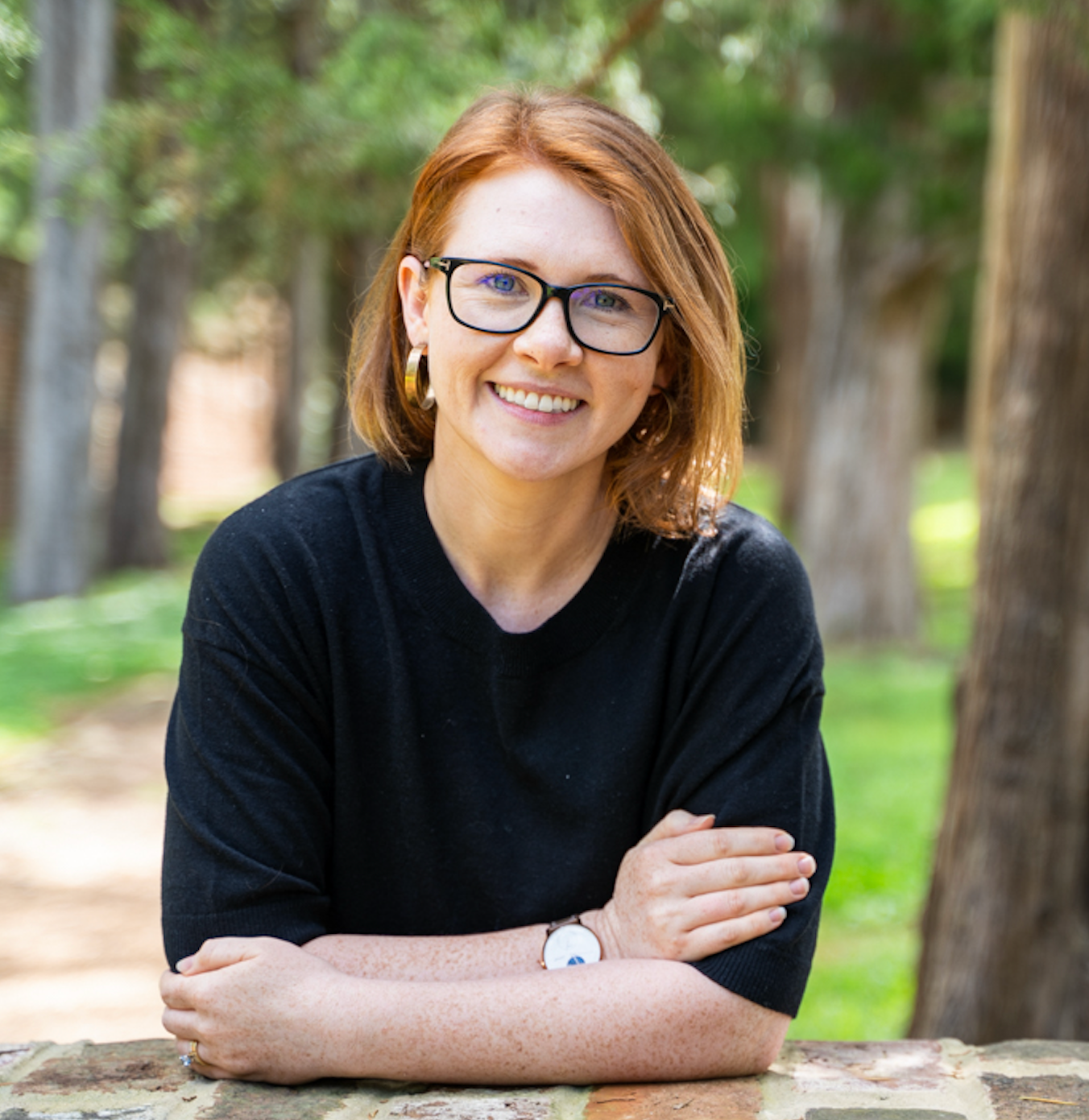
Meet Aja, Lower School Program Director
Aja Jones began her educational journey at an independent Reggio-inspired school in Charlottesville, Virginia. The Reggio Emilia Approach® shaped Aja’s educational philosophy, placing value on student driven learning, a connection with nature, and process over product.
After obtaining her Masters of Teaching from the University of Virginia, Aja spent the next eight years serving in public schools as a lower elementary school teacher and teacher leader. During this time, she achieved her National Board Certification for Early Childhood Education and a Masters in Education for Administration and Supervision from the University of Virginia.
Aja joined Sabot in 2022, enthusiastic to return to a Reggio Emilia setting and its powerful impact on students’ development and growth.
The Reggio Emilia Approach in Lower School:
Balancing Student-Led Learning and Academic Benchmarks
At Sabot, we believe children learn best when they actively engage in the process—posing questions, making connections, and constructing their own understanding. Using the Reggio Emilia Approach, we blend student-led learning with academic benchmarks to create an environment where students see themselves as readers, authors, scientists, historians, experts, researchers, and drivers of their own learning journey.
Research-based and developmentally appropriate practices guide our approach. Rather than adhering to a rigid curriculum, teachers adapt instruction to meet students' strengths, curiosities, and needs. Students engage in hands-on investigations, collaborate with peers to solve problems, and apply their learning in authentic ways. This means students are not just memorizing facts—they are actively constructing knowledge in a way that is meaningful and engaging, connecting academic content to real-world contexts, while also mastering the essential academic content required at their grade level.
Outdoor exploration is an integral part of this process. The forest, as a natural extension of the classroom, provides a space for exploration, risk-taking, and imaginative play, but it also serves as a natural extension of the classroom, where students engage in scientific inquiry, mathematical reasoning, and social studies investigations. Learning is both structured and flexible, with teachers carefully guiding students toward academic milestones while making space for their ideas, questions, and discoveries.


What Does This Look Like in the Classroom?
What sets our approach apart is not only what students learn, but how they learn it. Students lead their own learning, guided by teachers who observe and respond to their interests. The process begins with a provocation—an open-ended question, material, or experience designed to spark curiosity. From there, students explore topics deeply, asking questions, investigating, and applying their findings in hands-on ways.
Teachers act as guides, pushing students to think critically, explore further, and connect what they learn to real-world situations. This personalized, inquiry-based approach makes learning engaging and meaningful. Assessment is ongoing and reflective. Students track their progress through portfolios, documenting their work, thoughts, and growth. Teachers use regular progress checks and formative assessments to understand each student's development, helping guide and celebrate their journey.